


Kachampuli | Malabar Tamarind Vinegar (Kudampuli, Fish Tamarind), Single Origin Coorg
We will send you a notification as soon as this product is available again.
Guarantee safe and secure checkout
-
Estimated delivery: Oct 21 - Oct 25
-
Free return within 30 days of purchase.
Product description
The Dark Sour Vinegar at the Heart of Coorg Cooking
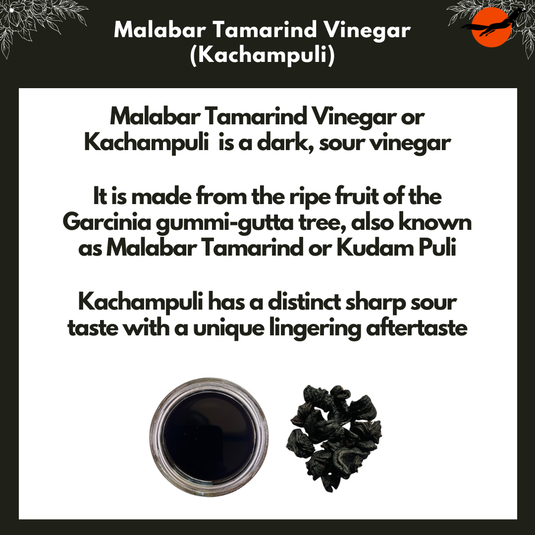
In the monsoon forests of Kodagu grows a small, sour fruit, a cousin of kokum and the mangosteen. Coorg gathers it, lets the juice run, and simmers it slowly in a clay pot to a dark, tart vinegar called kachampuli, the souring soul of the Kodava table.
Kachampuli is a concentrate, so a very little goes a long way. The old Kodava measure is about half a teaspoon of it to a kilo of meat, added late in the cooking.
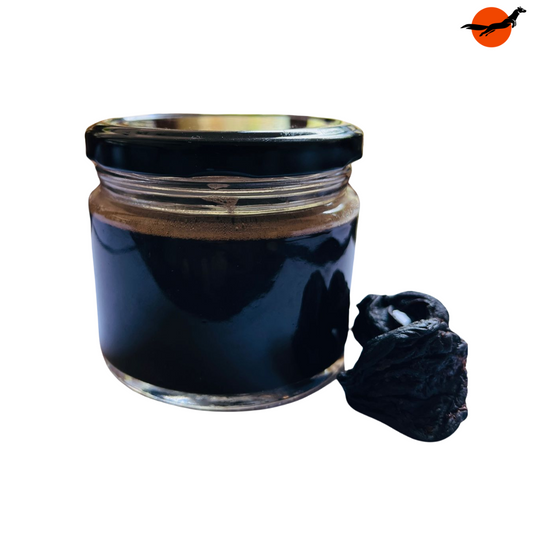
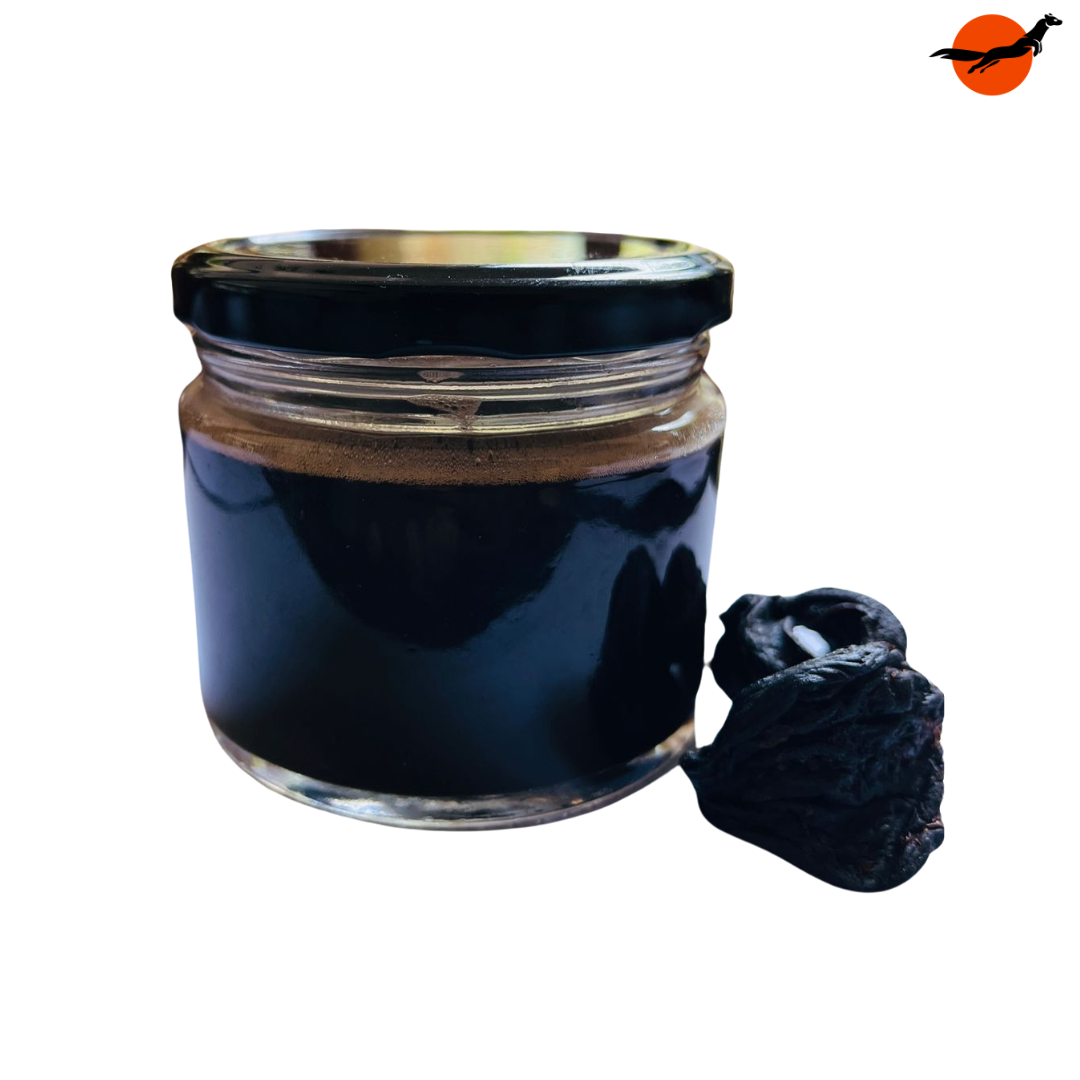
This is kachampuli, the dark, sour vinegar that Coorg has made for centuries and that almost no one outside the region knows. It is not brewed the way other vinegars are. It is the juice of a wild Western Ghats fruit, gathered in the monsoon, left to break down, then simmered slowly in a clay pot until it turns from honey yellow to a deep purple red. One fruit, one pot, one place, and a bottle that lasts for years.
The Place: Coorg, and a Fruit From the Monsoon Forest
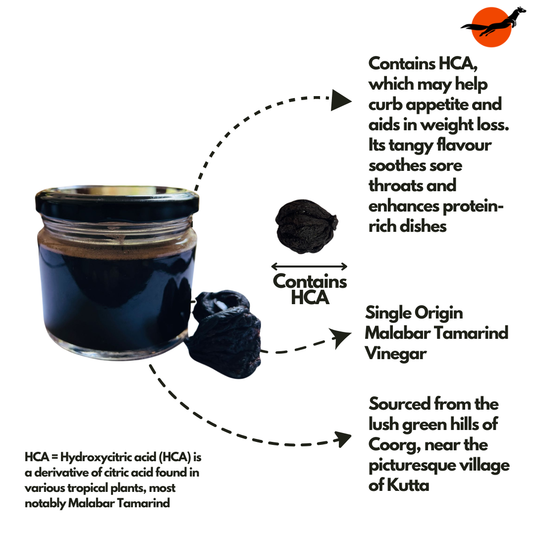
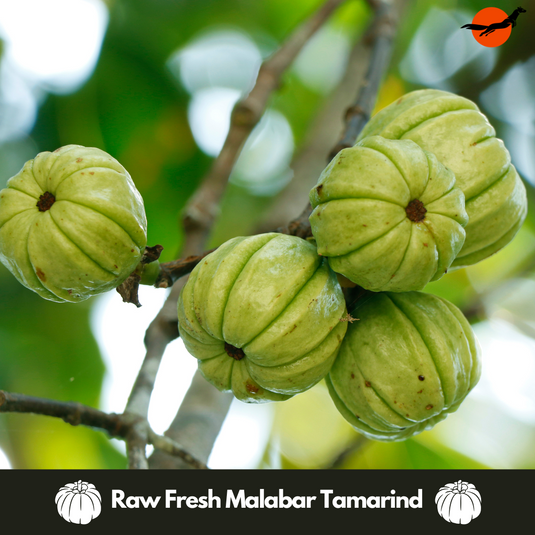
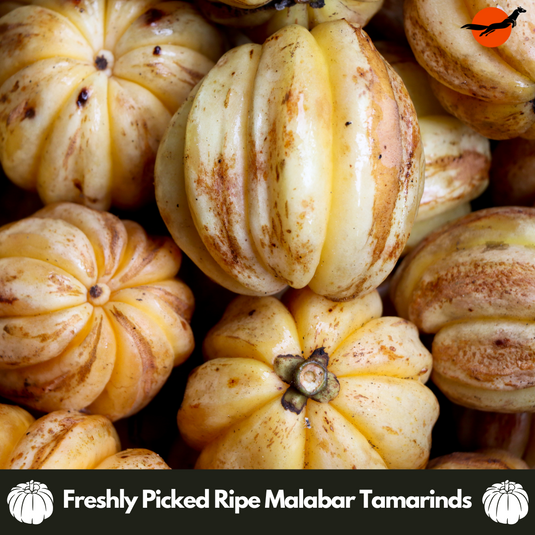
Our kachampuli comes from Kodagu, the hill country of Coorg in Karnataka, deep in the Western Ghats. The fruit it is made from, Garcinia gummi-gutta, grows wild in the evergreen and shola forests here and in the old coffee estates, a small sour gourd that ripens to yellow on the tree. We source ours near Kutta, a village in south Kodagu at the edge of the forest.
It is a monsoon crop. The tree flowers between February and May and fruits from June to August, in the heart of the rains, and that is when Kodava families make their year's kachampuli. The making is a homestead tradition, foraged and handed down through generations, less a recipe than a rhythm of the wet season.
Kokum, Kachampuli, Kudampuli: One Family, Three Sour Things
India sours its food in many ways, and three of the best known come from the same branch of the plant family, the Garcinia genus, all cousins of the mangosteen. They are easy to muddle, so it helps to know which is which.
Garcinia indica, dried to a deep purple rind. The souring fruit of Konkan, Mangalorean and Maharashtrian kitchens, behind sol kadhi and many a coastal curry.
The juice of Garcinia gummi-gutta, simmered slowly to a dark, tart vinegar. The signature souring agent of the Kodava table, and what you are holding.
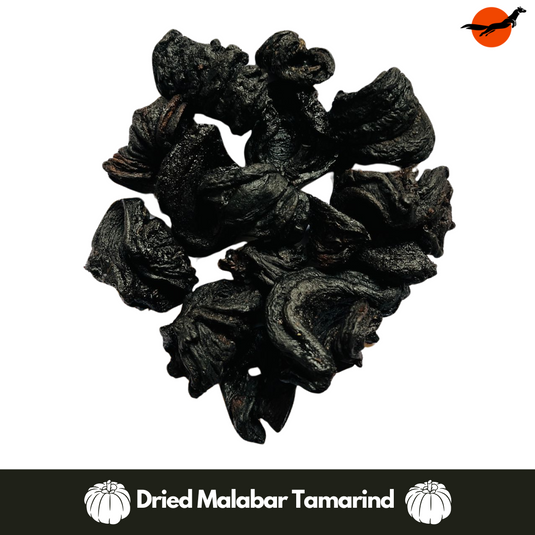
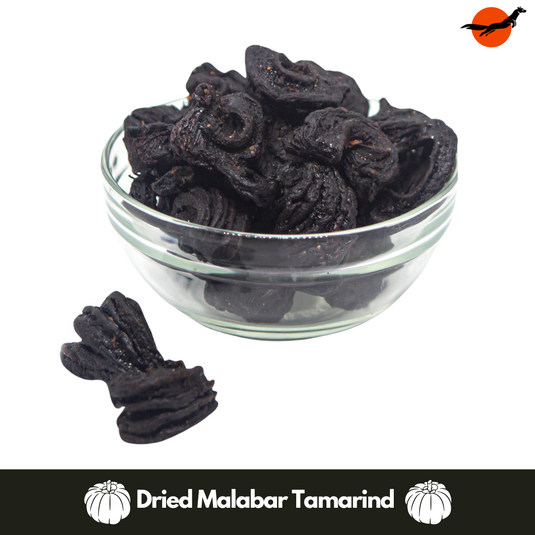
The very same Garcinia gummi-gutta fruit, but sun dried whole. The smoky fish tamarind that sours a Kerala meen curry. Coorg decocts the fruit, Kerala dries it.
From Forest to Bottle: How It Is Made
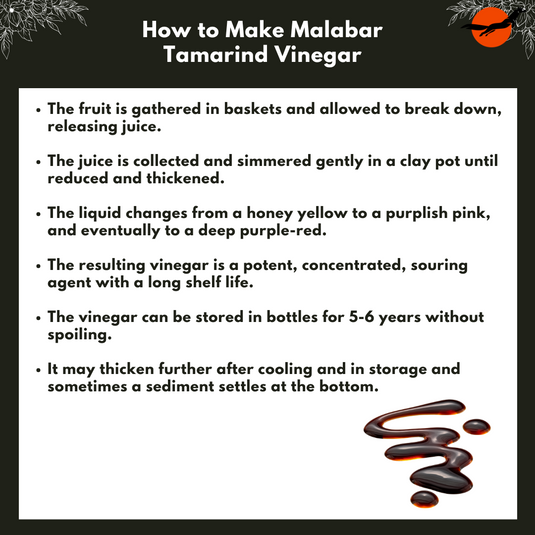
- Gathered in the monsoon. The ripe fruits are gathered from wild and estate trees through the June to August season and heaped up in baskets and winnowing fans.
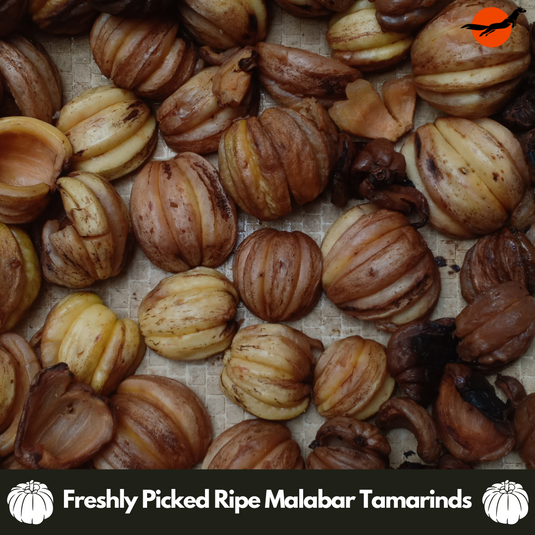
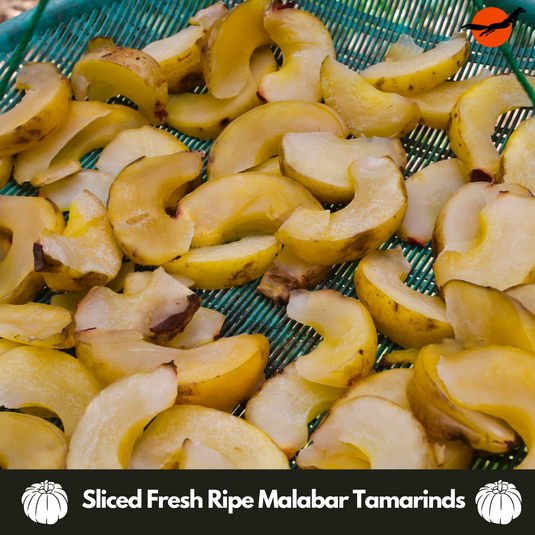
- Left to release its juice. The heaped fruit is left outdoors to break down over a few days, and the juice runs off and is collected in earthen pots set beneath.
- Simmered in a clay pot. The juice is boiled down slowly in a deep pot, turning from honey yellow to purplish pink and at last to a deep purple red as it reduces and thickens.
- Bottled whole, nothing added. The finished concentrate is bottled just as it is, no colour and no additives, and it keeps for years.
Why Coorg pork curry is so dark
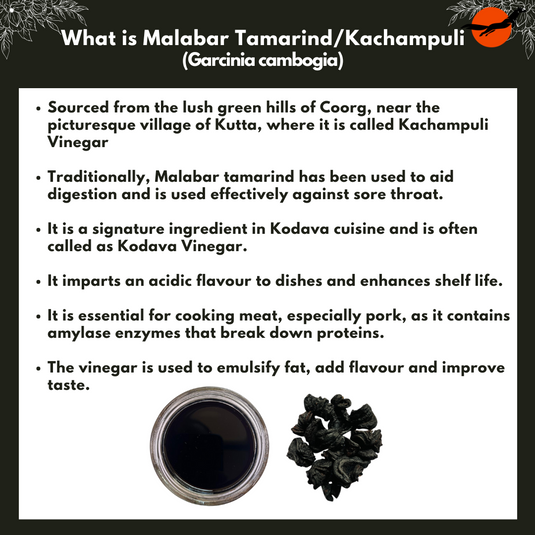
The most famous dish in Coorg is pandi curry, pork simmered dark and sour, and both the colour and the zing come from kachampuli. It goes in late, a spoonful stirred into the finished pot, where it sours the gravy, helps soften the meat, and turns the curry the deep brown black that every Kodava cook knows by sight. You do not taste it on its own, you taste it as the thing that makes the dish taste like Coorg.
Why We Bottle It Single Origin, and Whole
Most of what a shelf calls vinegar is brewed and standardised to a fixed strength. Kachampuli is not that. It is the reduced juice of one wild fruit, from one stretch of forest country near Kutta, made the slow way Kodava families have always made it, with nothing added to stretch it or colour it. Because it is a true concentrate, a little does a great deal, and a bottle lasts for years.
Kachampuli is rare enough that it is sometimes called a mysterious ingredient, and it is potent, so it is easy to overdo. Add it late and in small amounts, about half a teaspoon to a kilo of meat, and taste as you go. It is also recognised on the Slow Food Ark of Taste, the international register of heritage foods worth keeping alive.
One Vinegar, Three Ways
A spoonful stirred late into pandi curry or any meat dish, then simmered to sour and thicken the gravy. This is its home.
A few drops to sharpen a fish curry or a vegetable dish, in place of tamarind or lime, the way Coorg has long used it.
Added at the very end of cooking to sharpen, darken and round out a gravy. A little at a time, since it only takes a little.
Why Choose Our Kachampuli
- Single origin. The reduced juice of one wild fruit from the forests of Coorg, near Kutta, not a blended or standardised brew.
- Traditionally made. Gathered in the monsoon and simmered slowly in a clay pot, the way Kodava families have always made it.
- A true concentrate. Potent and long keeping, so a little sours a lot and a bottle lasts for years.
- Nothing added. Just the reduced juice of the fruit, with no colouring and no additives.
- The Kodava vinegar. The souring agent behind Coorg's most famous dishes, from pandi curry onward.
The dark, sour soul of the Kodava kitchen, from the forest country that makes it.
| Type | Dark sour fruit vinegar, a concentrated Garcinia juice (Kachampuli) |
|---|---|
| Origin | Coorg (Kodagu) near Kutta, Karnataka, Western Ghats |
| Source fruit | Garcinia gummi-gutta (Malabar tamarind, kudampuli) |
| Also called | Kachampuli, Malabar Tamarind Vinegar, Kudampuli, Panapuli (Kodava), Fish Tamarind, Pulineer |
| Taste | Sharp and sour, fruity, with a long lingering finish |
| Colour | Deep purple red to brown black |
| Texture | Thick concentrate, may thicken further and settle in storage |
| Shelf life | Keeps about 5 to 6 years |
| Best for | Coorg pork (pandi) curry, meat, fish, souring and finishing |
| Packs | 20g, 100g, 250g, 500g and 1kg |
About our Kachampuli
What is kachampuli?
What does it taste like, and how is it different from tamarind?
Is kachampuli the same as kudampuli or kokum?
How do I use it, and how much?
Where does it come from?
How is it made?
Does it go off, and how should I store it?
What can I use instead if I run out?
Additional information
| Name | Kachampuli | Malabar Tamarind Vinegar (Kudampuli, Fish Tamarind), Single Origin Coorg |
|---|---|
| SKU | |
| Vendor | Nilgiri Marten Spices |
| Weight | 20G, 100G, 250G, 500G, 1KG |
Shipping & return
Shipping
- Dispatch within 24 hours of order confirmation
- Free shipping on all orders above ₹1000 within India
- Flat ₹90 shipping on orders below ₹1000
- Delivery within 2 to 5 business days across India
- International delivery available, 7 to 14 business days depending on destination
- Cash on Delivery available on select pin codes at checkout
Returns and Exchanges
We pack every order with care and ship fresh from our Wayanadu warehouse. If something is not right, we will make it right.
- Damaged, expired, or incorrect items are eligible for replacement or refund within 7 days of delivery
- Notify us within 24 hours of delivery at aswinpk@nilgirimarten.com or WhatsApp +91 97783 07321
- Share a photograph of the damaged product and the outer packaging to help us process your claim quickly
- We do not accept returns on opened or used products, which is standard for food and spice products under FSSAI regulations
- Refunds are processed within 7 business days of return confirmation to the original payment method
- Return shipping costs are covered by us for damaged or incorrect items. For other returns, return shipping is the buyer's responsibility
Tracking and Delivery
You will receive a tracking link via email and SMS once your order ships. Deliveries are made Monday through Saturday. If you are unavailable, our courier will attempt delivery up to three times before returning the parcel. For any delivery issues, reach out to us on WhatsApp and we will coordinate directly with the courier.
International Orders
We ship to most countries worldwide. International customers are responsible for any customs duties or import taxes charged by their country. Please ensure your shipping address and contact details are accurate at checkout.